Walk past almost any century home or postwar bungalow in London, Ontario after a spring downpour and you will see the same battle playing out. Downspouts gush, the clay holds tight to the water it just received, and basements show their temperament. In this area, water control is not optional. It is a core part of protecting a foundation. Properly designed weeping tiles and complementary french drains manage that water quietly in the background so you can forget about it for years at a time.
What a weeping tile actually does
The term weeping tile dates back to clay tile sections used through the mid twentieth century. Today the drain is almost always a perforated plastic pipe, typically 4 inches in diameter, bedded in clear stone and wrapped in fabric to keep soil out. The system runs around a foundation at the footing level. As groundwater rises against the foundation, it enters through the gravel and perforations, flows by gravity to a sump pit or storm outlet, and is discharged away from the home. When it works, it lowers the water level around your basement walls so hydrostatic pressure never builds enough to drive moisture through.
A backyard french drain is a cousin to the foundation system but lives out in the yard. It intercepts surface and near surface water that would otherwise pool, channeling it to a swale, a dry well, or a safe outlet. Homeowners looking for backyard drainage in London, Ontario often need both approaches, one to protect the basement and one to make the lawn usable after storms.
The London context: soil, water, and freeze cycles
Local ground conditions matter. London sits in the Thames River watershed, with a mix of glacial till, clay, and pockets of sand across neighbourhoods. In many of the core areas and on heavier sites, the soil holds water stubbornly. That is why you see lawns that squish like a sponge in April even when it has not rained for a few days. Heavy soils slow percolation and keep water tight to the foundation longer after storms and thaws.
Frost depth in southwestern Ontario commonly reaches close to a metre. A drain placed at footing level remains below frost and keeps working through winter, but the soils above go through freeze thaw cycles that can heave and settle. Backfill quality, membrane adhesion, and the integrity of the geotextile wrapping all have to handle that movement. The more finely graded the stone and the better the separation from native soil, the longer the system will resist silting and compaction.
Older homes in London often combine a rubble or block foundation with early generation weeping tiles, sometimes clay, sometimes corrugated black plastic without a filter sock. Many of those systems lasted a few decades before clogging. Modern installations using smooth wall PVC or HDPE with proper fabric separation can push much longer service lives even in stubborn clay.
Signs your home needs help
You can learn a lot with a flashlight and your nose after a rain. A weeping tile is not just for flooded basements, it is for preventing the slow moisture grind that leads to mold and efflorescence. A few common red flags:
- Paint bubbling or salt staining along the bottom of basement walls, especially near corners. A sump pit that stays dry during long rains in a house that previously relied on a pump. That can mean your exterior drain is no longer delivering to the pit. Persistent puddles along the outside perimeter, damp soil just next to the foundation when the rest of the yard is firm, or heaving and settlement along the side paths. Water marks that step down as they move along a wall, which can indicate both lateral infiltration and hydrostatic buildup, not just a surface leak from a window well. Lawns that hold water two days after storms while the neighbour’s yard sheds quickly. If grades match, subsurface flow paths and soil structure are the culprits.
If you have one of these symptoms and you are searching for weeping tiles London Ontario contractors, expect the better firms to start with a site walk, not a backhoe. They should look at downspouts, grading, soil composition, and relief points before talking about trench lines.
Installation approaches that work in this climate
There are two main ways to tackle foundation drainage, and they solve different problems. Exterior replacement is the gold standard when you have chronic seepage through walls and a dysfunctional existing drain. Interior perimeter drains, often called interior french drains, are effective when you have slab seepage or when exterior access is impractical, for example along a shared driveway with minimal clearance.
Exterior weeping tile replacement is invasive but thorough. The wall gets exposed to the footing, cleaned, repaired, and waterproofed. The drain is reinstalled, bedded in washed stone, and wrapped. If the lot allows, the pipe drains by gravity to a storm connection or a safe daylight outlet. More often in established London streets, the system feeds a sump pit with a pump discharge routed to an approved location.
Interior perimeter drains are cut into the slab around the inside of the foundation. A narrow trench collects water that rises under the floor or weeps through the wall at the cove joint. The drain flows to a sump pit. The walls stay as they are on the outside, which means hydrostatic pressure still develops in the soil, but the water has an indoor relief path and never climbs high enough to enter the living space.
For yards that turn swampy, a separate network of shallow french drains and swales can transform the surface conditions. When people search for french drains London Ontario, they are often battling a low back corner that collects water from three neighbours. A trench with perforated pipe set at 8 to 18 inches deep, sloped gently to a dry well or curb cut where permitted, will evacuate that water. Often a surface regrade does just as much work for less money.
A clear, no nonsense installation sequence
Here is what a proper exterior weeping tile replacement typically looks like on a single detached home in London. This is not every detail, but it shows the shape of a good job.
- Locate utilities, set up access, and strip landscaping. Call Ontario One Call well before digging. Protect air conditioners and gas meters, and plan a safe path for excavated soil or bins. Excavate to the footing and clean the wall. Hand dig within the last half metre to avoid nicking the footing. Wire brush block or poured walls. Address cracks before new waterproofing goes on. Waterproof the wall and prepare the drain bed. Apply a primer and membrane suited to the substrate, then add a dimpled drainage board. Place 4 to 6 inches of washed 3/4 inch stone at the footing. Lay the pipe, stone, and fabric. Use 4 inch perforated pipe with the perforations facing down or at 4 and 8 o’clock depending on the manufacturer’s guidance. Slope at roughly 1 percent toward the outlet or sump. Cover with at least 6 to 12 inches of washed stone and wrap a non woven geotextile around the stone to separate from native clay. Provide cleanouts and finish carefully. Extend a vertical cleanout to grade at corners or long runs. Backfill in lifts, compact lightly to limit settlement, and rebuild landscaping with soil that sheds water away from the house.
Every one of those steps has judgment calls. On a block wall that has wept for years, I prefer a full height membrane rather than a parge and paint only. In heavier clay, I insist on the fabric wrap even if the bid is tight, because silt is what kills these systems. If the site has a viable storm outlet, I will choose that over a pump to eliminate a future point of failure.
Materials that survive London’s clay and seasons
Pipe choice matters. Corrugated black pipe is flexible and easy to lay but tends to hold fines in its corrugations. Smooth wall PVC weeping tile french drain london SDR 35 or heavy duty HDPE holds grade more reliably and flushes clean if sediment ever enters. If we are connecting to a municipal storm lateral, PVC with glued fittings provides a durable, watertight path.
Stone is not just any gravel. Washed 3/4 inch clear stone is the standard because fines are removed during washing, which preserves void space around the pipe. Those voids give water an easy path and a reservoir during storm peaks. Skipping the wash or using a mix with sand reduces that void space and speeds up clogging.
Geotextile is the unsung hero. A non woven fabric with the right permeability keeps fines from migrating into the drain bed while letting water pass. In London’s heavy soils, this barrier is what stretches the lifespan from a couple of decades toward the upper end. I prefer a wrap that encloses both sides and the top of the stone, with the native soil kept entirely off the drain envelope.
Cleanouts are cheap insurance. A 4 inch vertical riser with a cap at grade can look tidy in a planting bed and lets you jet the line if needed. Skipping cleanouts leaves you blind if a blockage ever forms under a long run.
Slopes, outlets, and code reality
The best system drains by gravity. A slope of around 1 percent - roughly 1 centimetre per metre - is practical on most foundations. Where gravity discharge is impossible, a sump pump takes over. London neighbourhoods vary block to block for storm connections. Some homes have a storm lateral you can use with city approval, some do not. Tying a sump discharge into the sanitary sewer is typically prohibited in Ontario municipalities because it overloads treatment plants during storms. Always confirm the City of London requirements and by laws for storm connections and sump discharge locations.
For surface outlets, aim to daylight the line on a slope that releases water at least a couple of metres from any foundation and not toward a neighbour. In tight lots, a buried dry well or soakaway pit can store peak flows. Design the storage with local rainfall in mind and use washed stone wrapped in fabric so the pit does not turn into a muddy bulb.
Window wells and downspouts deserve attention during any install. Wells should have drains that tie to the main system or to their own outlets, with 6 inches of clean stone in the bottom. Downspouts should run to solid pipe that carries roof water well away before it ever sees soil near the house.
Maintenance that keeps a system at full strength
A well installed drain is low touch. I have seen systems run 25 years with near zero attention and still pass a camera inspection. That said, a few seasonal habits protect your investment.
- Walk the perimeter twice a year. Check that soil still slopes away, mulch is not piled against the wall, and any cleanout caps are intact. Flush the downspouts. A hose test after leaf season confirms water is reaching its intended outlet, not backing up at a buried elbow. Test the sump pit. Lift the float to trigger the pump, listen for smooth operation, and verify the discharge point is clear and not icing over in winter. Inspect window wells. Keep them clear of debris, confirm the gravel bed is free draining, and consider covers if blowing leaves are a constant. Schedule a camera check every 5 to 10 years. An hour with a drain camera through a cleanout can catch sediment build up long before it becomes a leak.
I avoid chemical cleaners in foundation drains. If you suspect a partial clog, a low pressure flush head or a professional jetting through a cleanout is far safer for the membrane, pipe, and groundwater.
How long a weeping tile should last
In London’s soils, a modern exterior weeping tile with washed stone and geotextile can run 30 to 50 years before noticeable performance loss. Interior perimeter systems often stretch similar timelines because they are protected from root intrusion and frost. Older clay tile lines, or corrugated lines installed directly in backfill without fabric, tend to clog in 10 to 25 years depending on soil.
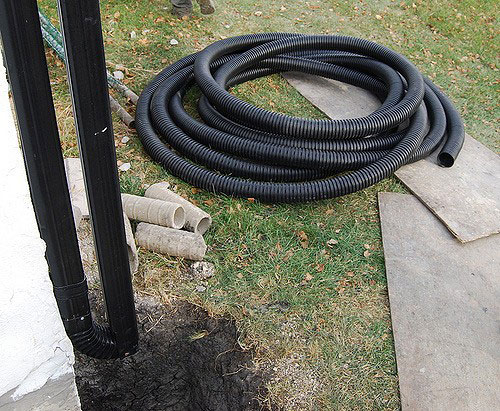
What shortens life is predictable. Silt infiltration is number one. Without a proper fabric wrap, native fines migrate into the stone bed every time the soil saturates and dries. Tree roots will seek any seam that offers moisture. Birch and willow are frequent culprits. Poor discharge planning hurts too. A pump that fails or a discharge point that freezes will hold water in the line and encourage sediment to drop out.
I once pulled up a 1960s clay tile line on a south London property that had become a perfect fossil. Every perforation was encased in fine clay that had settled out over decades. The pipe looked clean on the inside because the silt had sealed it from the outside in. The homeowner had tried to snake it from a window well for years without ever touching the real problem. That job turned around immediately once we replaced the line with a proper stone bed and fabric.
Costs and what drives them
Budgets vary with access, soil, and scope. As a planning range in Canadian dollars, a full exterior excavation and replacement around a typical detached home often falls between 80 and 150 per linear foot, including new membrane and dimple board. Interior perimeter drains commonly range from 40 to 70 per linear foot including a new sump pit and pump. Those ranges widen with tricky access, deep footings, extensive concrete to remove and replace, or storm lateral connections that require permits and roadway work.
Yard solutions are less predictable because site grades and landscaping dominate. A simple backyard french drain trench of 30 to 50 feet to dry out a corner can land in the low thousands if access is easy. Add a dry well or heavy restoration and the number moves.
When you collect quotes in the weeping tiles London Ontario market, look beyond the bottom line. Ask what pipe is specified, whether washed stone and geotextile are included, how many cleanouts you will get, and what the discharge plan is. Those choices dictate not just the install price but the lifespan.
Choosing drainage contractors in London, Ontario
The best drainage contractors London Ontario homeowners hire tend to share a few traits. They look at the whole water path from roof to outlet. They talk about soil conditions in your specific neighbourhood rather than offering a standard package. They are clear about permits and by law compliance. They have photos and references for both tidy jobs and the messy ones that required creative access.
Ask them to explain how they set slope and verify it. On longer runs, I like to see laser checks and a couple of grade stakes left in place during backfill. Ask about stone type and fabric spec, not just “gravel and sock.” Make them show you where cleanouts will sit and how they will look when the shrubs go back. If a firm cannot answer those questions in plain language, keep looking.
Finally, ask about their winter plan. In our climate, drains installed just before a freeze can end up with backfill that settles more in spring. A good contractor either schedules to avoid that or prices a return visit to top up grades in the first thaw.
DIY or call the pros
There is room for both. A handy homeowner can regrade a side yard, extend downspouts, or even trench a backyard french drain carefully. But working at footing depth is a different matter. You can damage a footing with the wrong excavation technique, flood a basement with a poorly timed storm, or nick a gas line if locates are skipped. Always call Ontario One Call before any dig deeper than a few inches. Even for yard drains, buried electric and telecom often sit shallow along side lots.
If you do take on a small french drain, borrow or rent the right tools. A trenching shovel and a good tamper help keep lines precise. Use washed stone, not limestone screenings, and avoid the temptation to replace fabric with landscape cloth that clogs quickly. Keep slopes gentle - a drain that pitches too fast will move water so quickly at the start that fines migrate toward the outlet.
Two real world snapshots
A 1970s ranch in Westmount had a sump that cycled every three minutes during spring thaw. The original corrugated pipe was intact but laid flat with no consistent slope, and the discharge line froze at the corner where a shaded downspout iced over. We rewired the discharge with a larger, insulated line to a sunny side outlet and added a second cleanout mid run. That alone reduced the cycle rate by half. A camera then showed fines in the first ten feet near a window well with no drain. Adding a proper well drain and a small surface swale to intercept roof runoff finished the job without touching the rest of the perimeter.
In Old North, a brick home with clay tile weeping around the front half had chronic dampness after long rains. The rear addition, built later, stayed dry. We excavated just the front, where access was open, replaced the line with smooth wall PVC in a fully wrapped stone bed, and installed a full height membrane on the original block. At the corner where three lots met, we extended a yard french drain to a curb cut approved by the city. The homeowner had been searching for backyard drainage London Ontario solutions for years, trying to fix the lawn without addressing the front foundation. Marrying the two systems dried both the basement and the patio.
How french drains complement weeping tiles
One of the more common misunderstandings is that a foundation drain alone will fix surface water headaches. It will not. Foundation drains work where the footing lives, well below the grass. They do almost nothing for a soggy top 8 inches of yard after a storm. That is why thoughtful designs pair a shallow french drain in the yard with the deeper system at the foundation. When someone types french drains London Ontario into a search bar, they may be chasing lawn comfort rather than basement dryness. The right contractor separates those goals and solves both with dedicated tools.
For the yard, keep slopes gentle, avoid planting invasive root species right over the line, and plan outlets that will not ice over. For the foundation, keep the focus on hydrostatic control, wall waterproofing, and reliable discharge.
The quiet payoff
A well executed drain is invisible most days. You do not think about it until a record rain falls overnight and the basement is boringly dry in the morning. You do not smell damp in August. You do not see salt bloom on the lower brick courses. Your sump runs rarely or not at all. That is the quiet payoff.
In London, the climate will test any shortcut. Take the time to match the design to the soil, to the vintage of the house, and to the real outlets available on your lot. Use materials that resist fines, include cleanouts for the day you might need them, and keep surface water far from the foundation with smart grading and downspout routing. Whether you are comparing quotes for weeping tiles London Ontario or sketching a backyard french drain for a muddy corner, aim for systems that manage water by simple rules. Gravity when you can, pumps when you must, and filters everywhere the clay tries to sneak in. The result is not flashy. It is a foundation that quietly outlives its mortgage.
Ashworth Drainage — Business Info (NAP)
Name: Ashworth DrainageAddress: 514 Hale St, London, ON N5W 1G8
Phone: (519) 660-9375
Website: https://www.ashworthdrainage.ca/
Email: [email protected]
Hours:
Monday: 9:00 AM – 5:00 PM
Tuesday: 9:00 AM – 5:00 PM
Wednesday: 9:00 AM – 5:00 PM
Thursday: 9:00 AM – 5:00 PM
Friday: 9:00 AM – 5:00 PM
Saturday: Closed
Sunday: Closed
Open-location code (Plus Code): XRR3+HV London, Ontario
Map/listing URL: https://maps.app.goo.gl/9kaoXAxRtJRP1ThS9
Embed iframe:
Socials (canonical https URLs):
Facebook: https://www.facebook.com/ashworthdrainage/
X: https://twitter.com/ashworthrules
Instagram: https://www.instagram.com/ashworthdrainage/
https://www.ashworthdrainage.ca/
Ashworth Drainage provides basement waterproofing and foundation repair services in London, Ontario and surrounding areas in Southwestern Ontario.
The company helps homeowners address wet basements, water intrusion, and drainage issues with solutions that fit the property’s conditions.
Service requests can include foundation repair, waterproofing options, sump pump and drainage-related work, and related assessments.
Ashworth Drainage is based at 514 Hale St, London, ON N5W 1G8.
To reach the team, call (519) 660-9375 or email [email protected].
Business hours are Monday to Friday 9:00 AM–5:00 PM, with the office closed Saturday and Sunday.
For directions and listing details, use the map listing: https://maps.app.goo.gl/9kaoXAxRtJRP1ThS9.
Popular Questions About Ashworth Drainage
What does basement waterproofing help prevent?Basement waterproofing is intended to reduce water intrusion and moisture problems that can lead to dampness, leaks, odors, and damage over time.
How do I know if I may need foundation repair?
Common signs can include visible cracks, water seepage, shifting or uneven areas, or recurring moisture problems; an on-site assessment is usually the best way to confirm causes and options.
What areas does Ashworth Drainage serve?
Ashworth Drainage serves London, Ontario and surrounding areas in Southwestern Ontario.
What are Ashworth Drainage’s hours?
Monday–Friday 9:00 AM–5:00 PM; Saturday closed; Sunday closed.
How can I contact Ashworth Drainage?
Phone: +1-519-660-9375
Email: [email protected]
Website: https://www.ashworthdrainage.ca/
Map: https://maps.app.goo.gl/9kaoXAxRtJRP1ThS9
Facebook: https://www.facebook.com/ashworthdrainage/
X: https://twitter.com/ashworthrules
Instagram: https://www.instagram.com/ashworthdrainage/
Landmarks Near London, ON
1) Kiwanis Park2) Western Fair District
3) Covent Garden Market
4) Victoria Park
5) Budweiser Gardens
6) Museum London
7) Fanshawe Conservation Area